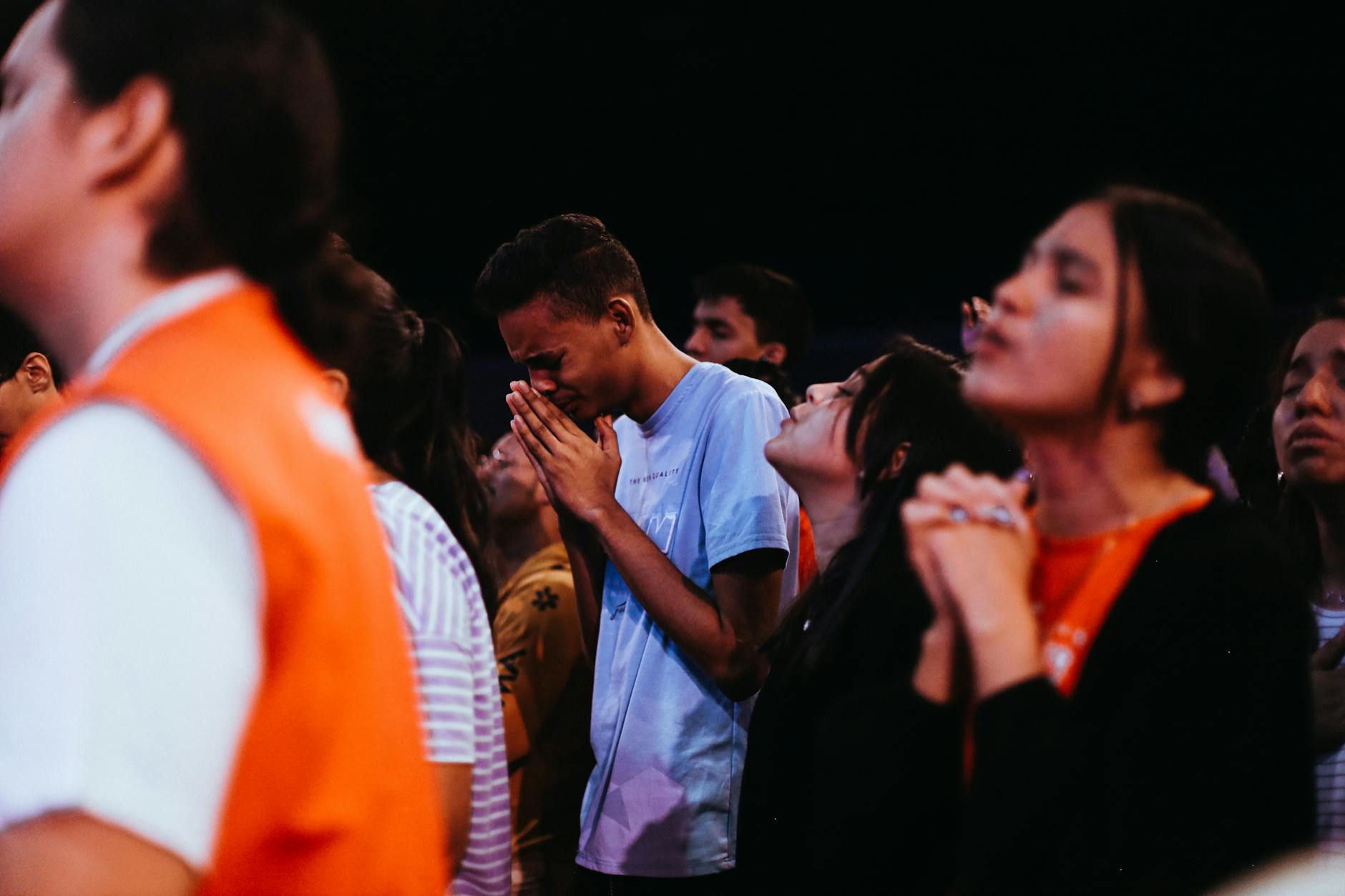
In an age defined by rapid technological advancements and shifting cultural norms, the role of faith remains a pertinent topic for discussion. Faith, often perceived as a personal belief system, transcends mere religious adherence; it shapes values, community bonds, and individual purpose. Understanding its significance in modern society is essential for both personal development and collective harmony.
While some argue that the influence of faith is waning, evidence suggests otherwise. Faith continues to provide a framework for ethical decision-making and emotional resilience amidst life’s challenges. Its importance can be observed through various dimensions including mental health, social cohesion, and moral direction.
Faith as a Source of Emotional Support
Many studies indicate that faith-based practices foster emotional well-being. For example, research published in the Journal of Religion and Health reveals that individuals with faith report lower levels of anxiety and depression. This is particularly significant in modern society where mental health issues are on the rise. Faith communities often provide support systems that promote social interaction and help individuals navigate through personal crises.
Building Stronger Communities
Faith serves as a unifying force within communities. Religious institutions often act as hubs for social engagement, charity work, and volunteerism. For instance, in the aftermath of natural disasters, faith organizations frequently mobilize resources and volunteers more rapidly than any governmental body. These actions reinforce community ties and promote collective resilience, showcasing faith’s role in fostering a sense of belonging.
Guiding Ethical Decision-Making
In a world rife with moral ambiguity, faith can provide a compass for ethical decision-making. Many philosophies rooted in faith encourage individuals to consider the broader impact of their choices. For example, the principle of “treat others as you wish to be treated” transcends religious boundaries and encourages empathy. This ethical framework is increasingly vital in a society facing complex dilemmas such as climate change, inequality, and technological ethics.
Faith and Cultural Identity
In many cultures, faith plays a central role in shaping identity. For instance, cultural practices and traditions often stem from religious beliefs, influencing everything from holidays to family structures. Maintaining these practices allows individuals to connect with their heritage while navigating a globalized world. Such connections can instill a sense of pride and continuity, which is increasingly important in an age of rapid change.
Resilience in Times of Crisis
Faith often serves as a vital resource during crises, providing individuals with a sense of hope and direction. Historical examples abound, from faith leaders advocating for social justice movements to individuals finding solace in prayer during personal hardships. These narratives highlight how faith not only sustains individuals but also motivates collective action in the face of adversity.
Conclusion
The importance of faith in modern society cannot be understated. Whether through fostering emotional support, building strong communities, guiding ethical decisions, enhancing cultural identity, or providing resilience in crises, faith remains a cornerstone of human experience. As society continues to evolve, recognizing and valuing the multifaceted role of faith can lead to a more compassionate and cohesive future.