Education serves as a cornerstone for social development, influencing various aspects of society from economic growth to social cohesion. It is not simply about acquiring knowledge, but rather about fostering critical thinking, citizenship, and a sense of community. The role of education extends beyond individual achievement; it contributes to the collective advancement of societies.
In many developing nations, the investment in education has translated into significant improvements in social indicators. For instance, the United Nations Educational, Scientific and Cultural Organization (UNESCO) reports that each additional year of schooling can increase a person’s income by up to 10%. This economic uplift not only enhances individual lives but also strengthens communities by increasing spending power and stimulating local economies.
Education and Economic Growth
Education equips individuals with essential skills that enhance employability and productivity. Countries that prioritize education tend to experience accelerated economic growth. For example, South Korea transformed its economy over a few decades by heavily investing in education, resulting in a highly skilled workforce that led to the rise of global companies like Samsung and Hyundai.
Fostering Social Cohesion
Beyond economic benefits, education plays a vital role in fostering social cohesion. It promotes understanding and tolerance among diverse populations, essential in multicultural societies. Research shows that inclusive educational practices can mitigate social inequalities. Countries with equitable education systems, such as Finland, often report lower levels of social unrest and higher levels of civic engagement.
Reducing Inequality Through Education
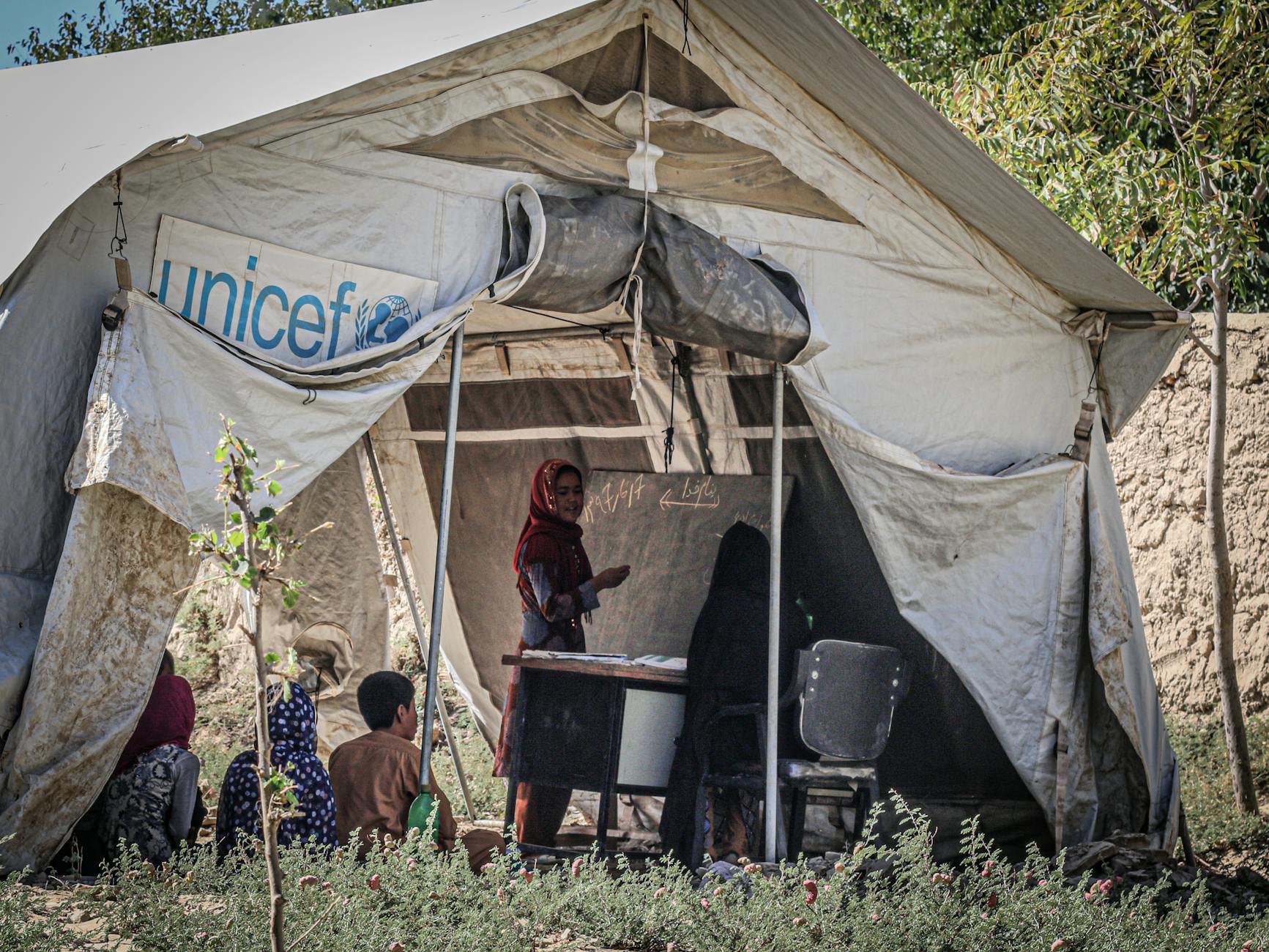
Education is a powerful tool in reducing social disparities. Access to quality education can level the playing field for marginalized groups, fostering upward mobility. For instance, the Global Partnership for Education highlights programs in countries like Bangladesh, where targeted educational initiatives have empowered girls, significantly reducing gender disparities and improving community health outcomes.
Education’s Role in Promoting Sustainable Development
The integration of education with sustainable development goals (SDGs) emphasizes the need for education systems to prepare citizens to tackle global challenges such as climate change. Education fosters awareness and equips individuals with the knowledge to advocate for sustainable practices. Countries like Sweden exemplify this approach, as their education system emphasizes environmental consciousness, leading to a socially responsible citizenry.
In conclusion, the role of education in social development is multifaceted, influencing economic growth, social cohesion, reduced inequalities, and sustainable practices. Investing in education is not merely a financial decision but a long-term strategy to nurture enlightened, empowered, and engaged societies.