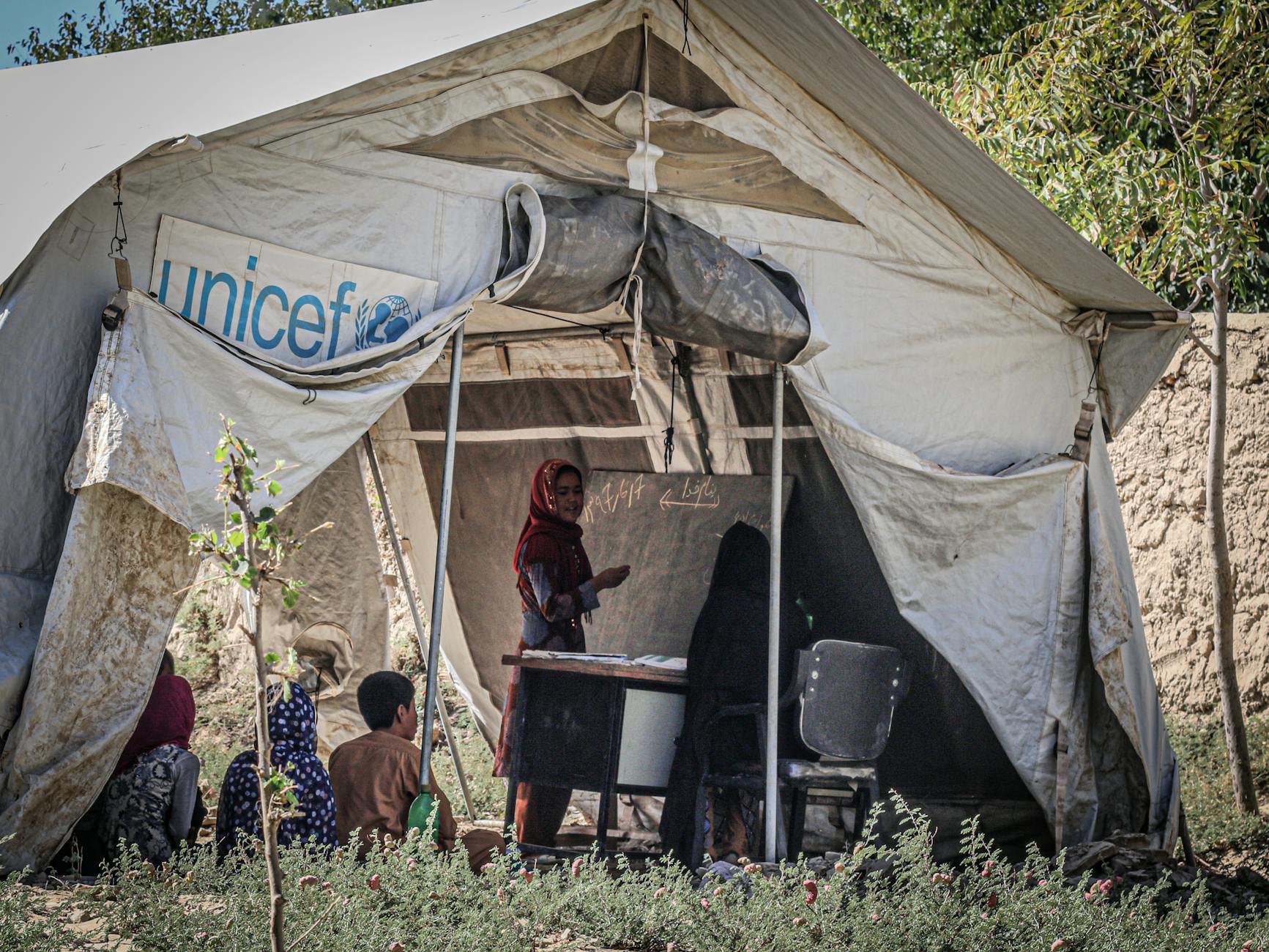
Education is a cornerstone of society, influencing not just individual lives but the broader social fabric. Its role extends beyond mere knowledge acquisition; it shapes values, promotes civic engagement, and drives economic growth. Understanding the intricacies of how education contributes to social development is essential for creating policies that uplift communities and foster sustainable progress.
At its core, education empowers individuals. It provides essential skills that enhance employability, leading to economic independence. According to UNESCO, each additional year of schooling can increase a person’s income by up to 10%. This economic empowerment reduces poverty levels and promotes a more equitable society. Additionally, educated individuals are more likely to engage in entrepreneurial activities, further stimulating economic growth.
Civic Participation and Social Cohesion
Education fosters civic participation, teaching individuals about their rights and responsibilities. An educated populace is more likely to vote, engage in community service, and advocate for social justice. For example, a study by the National Bureau of Economic Research found that higher education levels correlate with increased political participation and civic engagement. This active participation strengthens social cohesion and trust within communities, leading to a more stable and democratic society.
Health and Well-being Benefits
The relationship between education and health is profound. Educated individuals tend to make healthier life choices, leading to lower rates of chronic diseases. For instance, the World Health Organization reports that individuals with higher education levels are more likely to access healthcare services and understand health information. This results in improved health outcomes, which, in turn, boosts productivity and economic stability.
Breaking the Cycle of Inequality
Access to quality education plays a critical role in breaking the intergenerational cycle of poverty. Programs that focus on education for marginalized groups can lead to significant improvements in quality of life. The Global Partnership for Education emphasizes the need for inclusive and equitable education systems to address systemic inequalities. When marginalized populations gain access to education, they uplift not only themselves but also their communities, contributing to a more balanced societal structure.
Building a Knowledge-Based Economy
In today’s rapidly changing world, education is pivotal in transitioning to knowledge-based economies. Countries that invest in education reap the benefits of innovation and technological advancement. For example, nations like Finland and Singapore have harnessed education to develop competitive, high-tech industries. By fostering critical thinking and problem-solving skills, education equips individuals to adapt to the demands of modern economies, ensuring long-term sustainability and growth.
Ultimately, the role of education in social development is multifaceted. It influences economic prosperity, enhances civic engagement, improves health outcomes, and mitigates social inequalities. By prioritizing education as a fundamental right, societies can cultivate environments that promote inclusive growth and development for all.