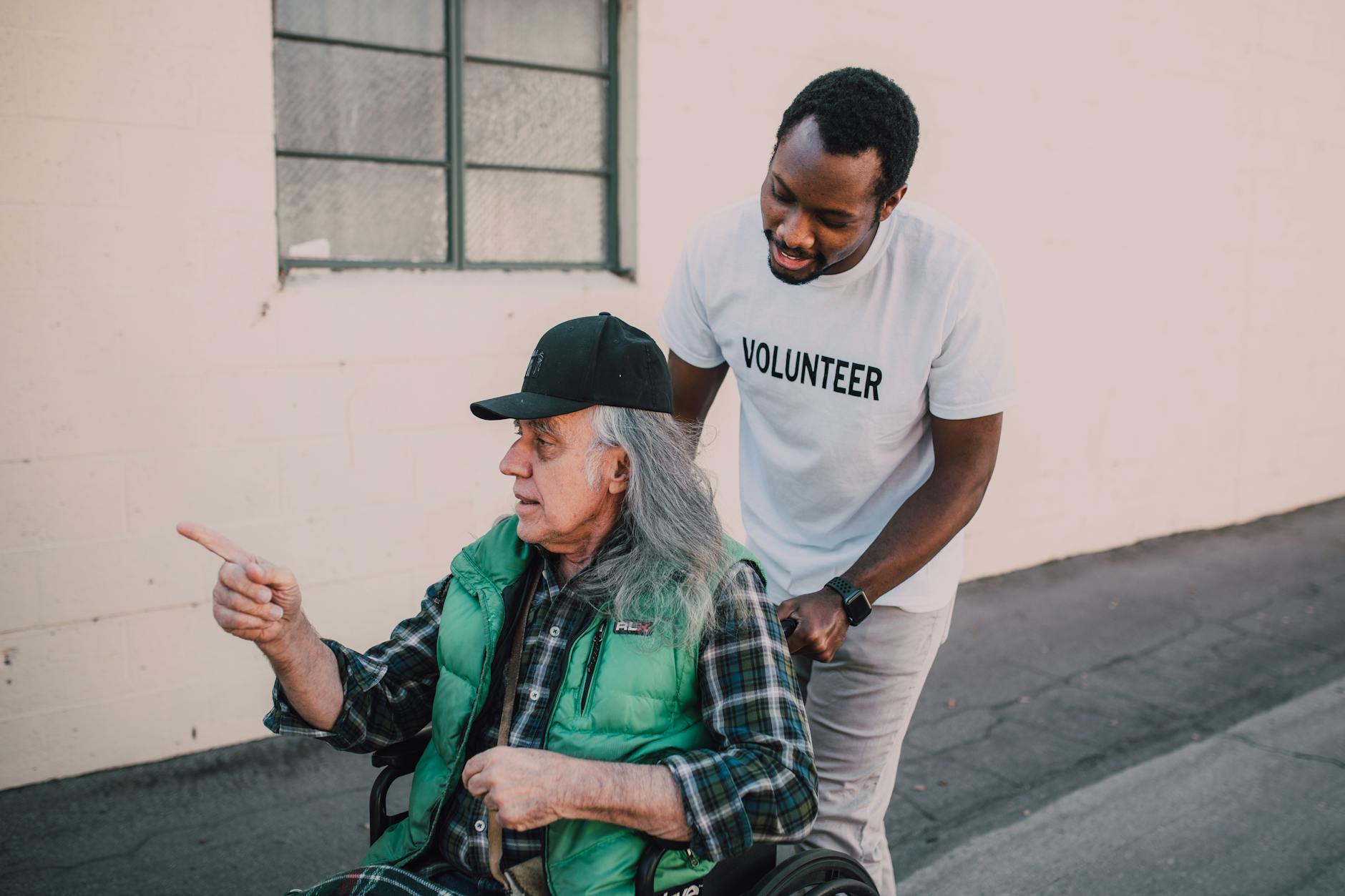
Helping others is often seen as a noble pursuit, yet its importance extends far beyond mere altruism. Engaging in acts of kindness can lead to transformative effects not only on the recipients but also on the individuals providing help. This dynamic interplay encourages a cohesive society, strengthens community ties, and enhances personal well-being.
Research reveals that helping behavior boosts happiness and fulfillment. According to a study published in the Journal of Happiness Studies, individuals who engage in prosocial activities experience increased emotional well-being. This phenomenon, often termed the “helper’s high,” occurs due to the release of endorphins and other feel-good hormones during acts of kindness.
Strengthening Community Bonds
One of the most significant impacts of helping others is the strengthening of community bonds. When individuals come together to assist one another, they create networks of support that foster trust and collaboration. For instance, community service initiatives, such as local food drives or neighborhood clean-up events, encourage participation from diverse groups, which enhances social interactions and unity.
Promoting Empathy and Understanding
Acts of kindness cultivate empathy and understanding, bridging cultural and social divides. For example, volunteering in a homeless shelter not only aids individuals in need but also fosters awareness of the complex issues surrounding homelessness. Through such experiences, volunteers develop a deeper understanding of others’ struggles, which can lead to more compassionate societies.
Personal Growth and Development
Helping others contributes to personal growth by expanding one’s perspective on life. Engaging in service activities challenges individuals to step out of their comfort zones and develop new skills. For instance, mentoring a young person can enhance leadership abilities while fostering a sense of responsibility. These experiences not only empower the helper but also inspire those around them.
Building a Culture of Generosity
The ripple effect of helping others encourages a culture of generosity within communities. When one person acts kindly, it often inspires others to do the same, creating a chain reaction of goodwill. This cultural shift can lead to widespread changes in social norms, where giving back becomes a common practice rather than the exception.
Improving Mental Health
Numerous studies highlight the connection between helping others and improved mental health. Engaging in altruistic behavior has been shown to decrease feelings of loneliness and depression. For example, a survey by the Mental Health Foundation found that 70% of participants reported feeling happier after engaging in acts of kindness. This suggests that contributing to the well-being of others can profoundly impact one’s own emotional state.
Creating Lasting Impact
Finally, the importance of helping others lies in the potential for long-lasting impact. Whether through mentorship, charitable donations, or community service, the effects of such actions can resonate across generations. Initiatives like educational programs or health awareness campaigns can lead to systemic changes that benefit entire communities, demonstrating that individual acts of kindness can create waves of positive change.