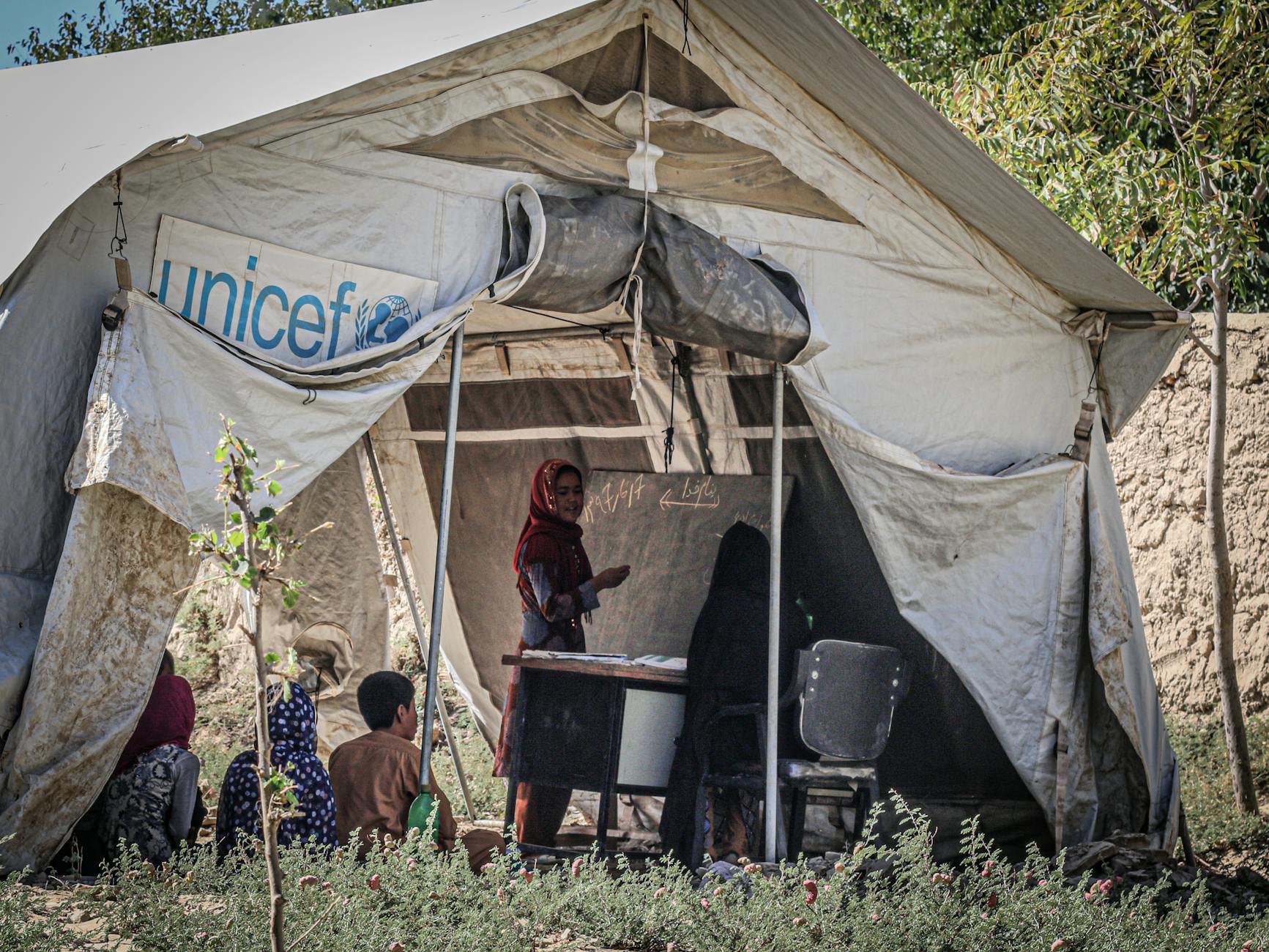
Education plays a pivotal role in shaping societies, influencing both individual lives and community structures. It serves not only as a means of acquiring knowledge but also as a powerful tool for social development. The transformative effects of education can be seen across various dimensions, including economic stability, social equity, and cultural enrichment.
In many societies, education is the foundation for future opportunities. It empowers individuals to enhance their skills, ultimately contributing to the economic growth of their communities. Moreover, it fosters critical thinking and civic engagement, which are essential for the development of a robust democratic society.
Economic Growth and Employment Opportunities
A well-educated workforce is a catalyst for economic growth. According to the World Bank, each additional year of schooling can increase an individual’s income by up to 10%. This statistic underscores the direct correlation between education and economic prosperity. Countries that invest in education often experience higher rates of productivity, innovation, and entrepreneurship.
For example, in South Korea, significant investments in education over the past few decades have transformed the nation from an agricultural economy into a high-tech industrial powerhouse. This shift not only improved living standards but also reduced poverty and inequality.
Social Equity and Inclusion
Education is a crucial mechanism for promoting social equity. It bridges gaps between various socio-economic classes and empowers marginalized groups. For instance, programs aimed at increasing access to education for women and girls have proven effective in many regions. The United Nations Educational, Scientific and Cultural Organization (UNESCO) reports that educated women are more likely to participate in the labor force and have healthier families.
Furthermore, inclusive educational policies can help dismantle systemic barriers faced by disadvantaged communities. This has been reflected in countries like Finland, where a focus on equal access to quality education has led to one of the highest literacy rates in the world.
Cultural Enrichment and Social Cohesion
Education also nurtures cultural identity and fosters social cohesion. By integrating diverse perspectives and histories into educational curricula, societies can promote understanding and tolerance among different cultural groups. A prime example can be seen in Canada, where bilingual education in English and French, along with Indigenous education programs, has contributed to a more inclusive national identity.
Cultural awareness and appreciation instilled through education can mitigate conflicts and enhance cooperation among diverse populations. This is especially important in multicultural societies, where education serves as a common ground for dialogue and collaboration.
Critical Thinking and Democratic Participation
One of the essential benefits of education is the development of critical thinking skills. An education system that encourages inquiry and debate prepares individuals to engage thoughtfully in civic matters. This engagement is vital for democratic processes, as informed citizens are more likely to vote and participate in community affairs.
Research indicates that individuals who receive a quality education are better equipped to advocate for their rights and the rights of others. This active participation fosters accountability and transparency in governance, contributing to the overall health of a democracy.
Conclusion
In summary, the role of education in social development is multifaceted and significant. From driving economic growth and promoting social equity to enriching cultural identities and fostering democratic participation, education is fundamentally intertwined with the progress of society. As we continue to navigate global challenges, prioritizing education will be crucial for sustainable development and social cohesion.