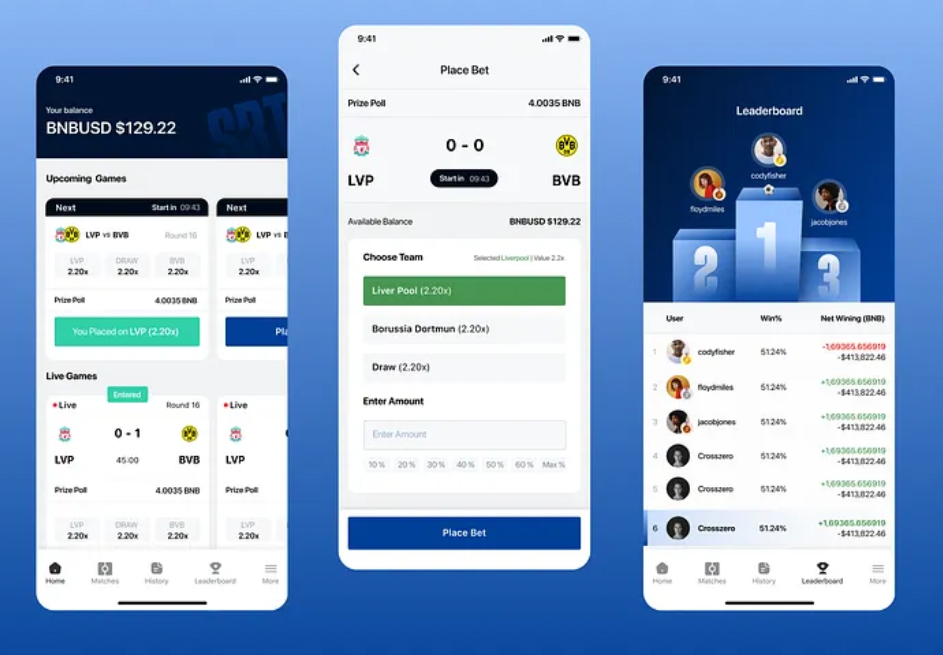
For years, online wagering markets have operated under centralized structures. A platform controls the odds, manages the liquidity, holds the funds, and processes the payouts. Users place bets within an ecosystem governed by a single entity. That model has worked at scale, but it has also raised recurring questions around transparency, trust, and control.
When I first started researching decentralized betting platforms, I was skeptical. Blockchain sounded innovative, but I wondered whether it truly addressed structural problems or simply added technological complexity. After reviewing data trends, adoption patterns, and market behavior, it became clear that decentralization is not just a buzzword. It represents a structural experiment that could reshape certain segments of online wagering.
The real question is not whether decentralization exists. It already does. The question is whether it can meaningfully change wagering markets at scale.
The Trust Problem in Centralized Betting
Traditional online wagering platforms operate as custodians. They hold user funds, calculate odds internally, and settle bets according to proprietary systems. While many regulated operators maintain compliance standards, users ultimately rely on the integrity of the platform.
Historically, disputes over delayed withdrawals, opaque fee structures, or unclear settlement rules have fueled demand for alternatives. Even in regulated markets, transparency is often limited to published terms rather than verifiable backend processes.
This is where decentralization enters the conversation.
Blockchain-based wagering platforms leverage distributed ledger technology. Transactions are recorded on public or semi-public ledgers. Smart contracts automate bet settlement based on predefined conditions. In theory, this reduces reliance on a central authority.
The appeal is simple: transparency through code.
Growth Data in Decentralized Betting
Blockchain adoption in gambling remains a fraction of the overall global market, but growth rates are notable. Industry estimates suggest that crypto-based gambling platforms have seen double-digit annual growth in user participation since the early 2020s.
Decentralized finance (DeFi) protocols demonstrated that financial transactions could occur without traditional intermediaries. Some wagering platforms have adopted similar infrastructure, allowing peer-to-peer betting pools and liquidity provision models.
In certain niche markets, decentralized prediction platforms have processed millions of dollars in volume during major global events. While this volume is still small compared to traditional sportsbooks, the growth trajectory signals sustained interest.
From a market perspective, early adoption often begins at the edges. It rarely disrupts dominant incumbents immediately. Instead, it evolves in parallel.
Smart Contracts and Automated Settlement
One of the most compelling aspects of decentralization is automated settlement. Smart contracts execute when predefined conditions are met. If a team wins and the result is verified by an oracle data feed, payouts trigger automatically.
This removes human discretion from settlement decisions. There is no internal department reviewing outcomes. The logic is embedded in code.
From my perspective, this reduces certain operational frictions. However, it introduces a new dependency: reliable data oracles. If the external data source feeding the smart contract is flawed, settlement issues can still occur.
In other words, decentralization shifts the trust layer. Instead of trusting a bookmaker’s internal system, users trust blockchain code and external data providers.
Transparency Versus Scalability
Public blockchains provide verifiable transaction history. Anyone can inspect wallet transfers and contract activity. That transparency is often cited as a major advantage.
However, scalability remains a challenge. Traditional betting platforms process high transaction volumes during peak sporting events. Blockchain networks, depending on architecture, can face congestion and transaction fee spikes.
Layer-two scaling solutions and faster consensus mechanisms aim to address these limitations. But until infrastructure consistently supports high-frequency microtransactions at low cost, centralized platforms maintain a performance advantage.
From the data I have reviewed, decentralized platforms thrive most in niche or crypto-native audiences rather than mass-market sports bettors.
Liquidity and Market Depth
Liquidity defines the strength of any wagering market. Without sufficient liquidity, odds become volatile and spreads widen.
Centralized sportsbooks typically aggregate liquidity internally and through partnerships. Decentralized platforms rely on users to supply liquidity into pools. This model resembles automated market makers used in decentralized exchanges.
The challenge is clear: attracting enough capital to ensure stable pricing. Some decentralized wagering protocols incentivize liquidity providers through token rewards. That creates an ecosystem where users are both participants and stakeholders.
It is an innovative structure, but sustainability depends on long-term participation rather than short-term incentives.
Regulatory Uncertainty
Regulation remains one of the largest variables. Many jurisdictions maintain strict oversight over gambling operators. Decentralized systems complicate traditional enforcement models because there may be no single controlling entity.
Some regulators are exploring how blockchain-based wagering fits into existing frameworks. Others treat decentralized betting cautiously due to anti-money laundering concerns and consumer protection standards.
From a policy standpoint, data suggests that jurisdictions with clearer crypto regulation experience faster adoption of blockchain-based wagering platforms. Regulatory clarity appears to correlate with ecosystem growth.
Does Decentralization Solve Fairness?
One common claim is that decentralization improves fairness. In certain respects, this is accurate. Transparent smart contracts reduce hidden rule changes. Public ledgers make fund flows traceable.
However, fairness also depends on user education. Smart contracts are only as reliable as their design. Bugs in code can create vulnerabilities. Unlike centralized platforms that can reverse errors internally, blockchain systems often execute irreversibly.
This tradeoff between immutability and flexibility is central to the debate.
Where the Data Points Next
Based on observable adoption trends and infrastructure development, decentralization is unlikely to replace traditional wagering platforms in the near term. However, it may reshape specific segments:
- Crypto-native betting communities
- Peer-to-peer prediction markets
- Cross-border wagering systems
- Transparent liquidity pool models
The broader impact may not be outright disruption, but structural influence. Traditional operators are already integrating blockchain elements such as crypto deposits and provably fair algorithms.
In that sense, decentralization may function less as a replacement and more as a catalyst for modernization.
Final Perspective
When I first examined decentralized wagering platforms, I expected hype with limited substance. Instead, I found a technological experiment addressing real structural questions around transparency, custody, and automation.
The data does not yet suggest total market transformation. Centralized operators still dominate in liquidity, regulatory integration, and mainstream adoption. But decentralization has introduced competitive pressure and alternative models that challenge traditional assumptions.
Whether it becomes dominant or remains niche, its influence on innovation is already measurable.
And in rapidly evolving digital markets, influence alone can be powerful enough to change the direction of an entire industry.