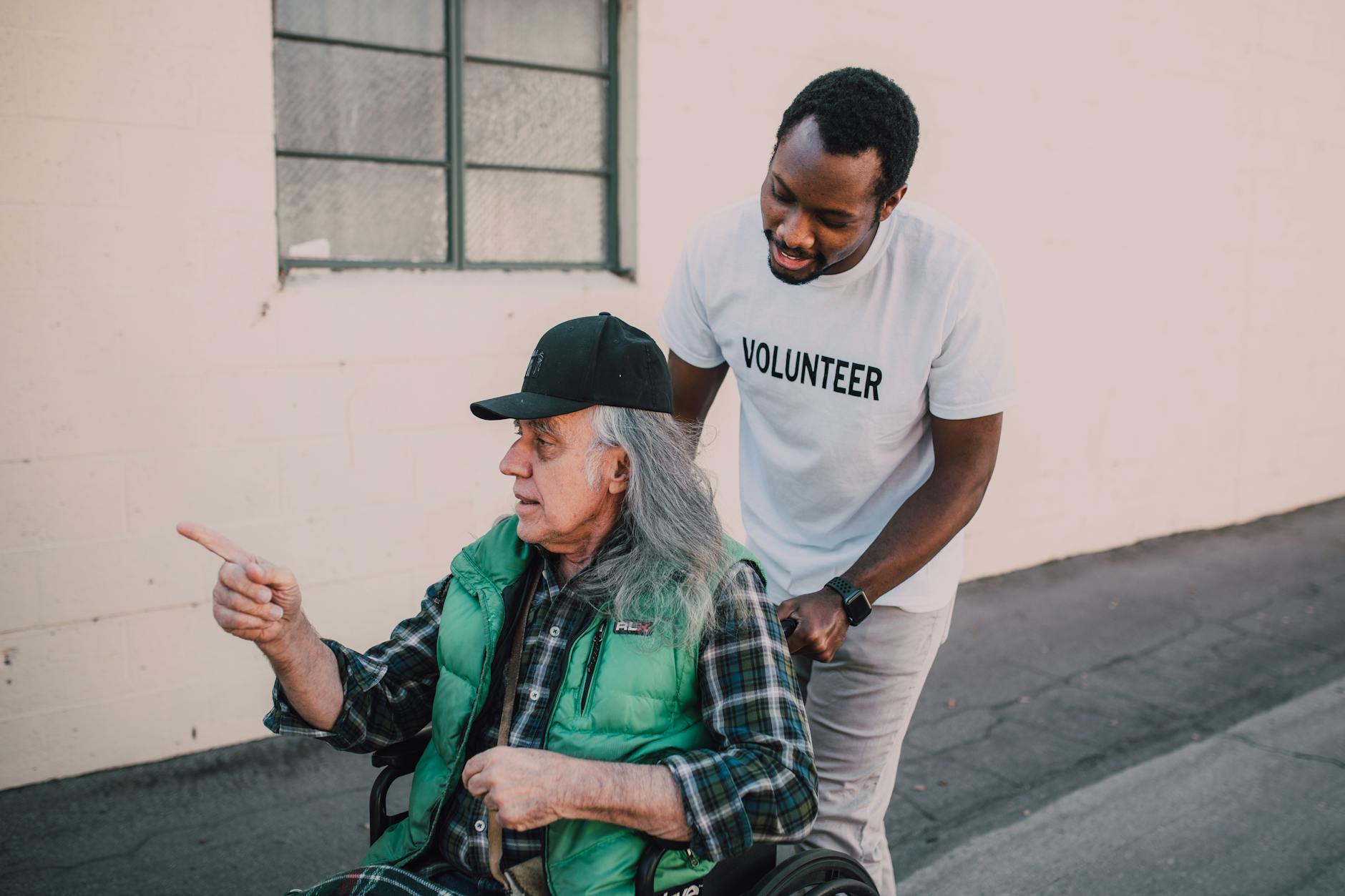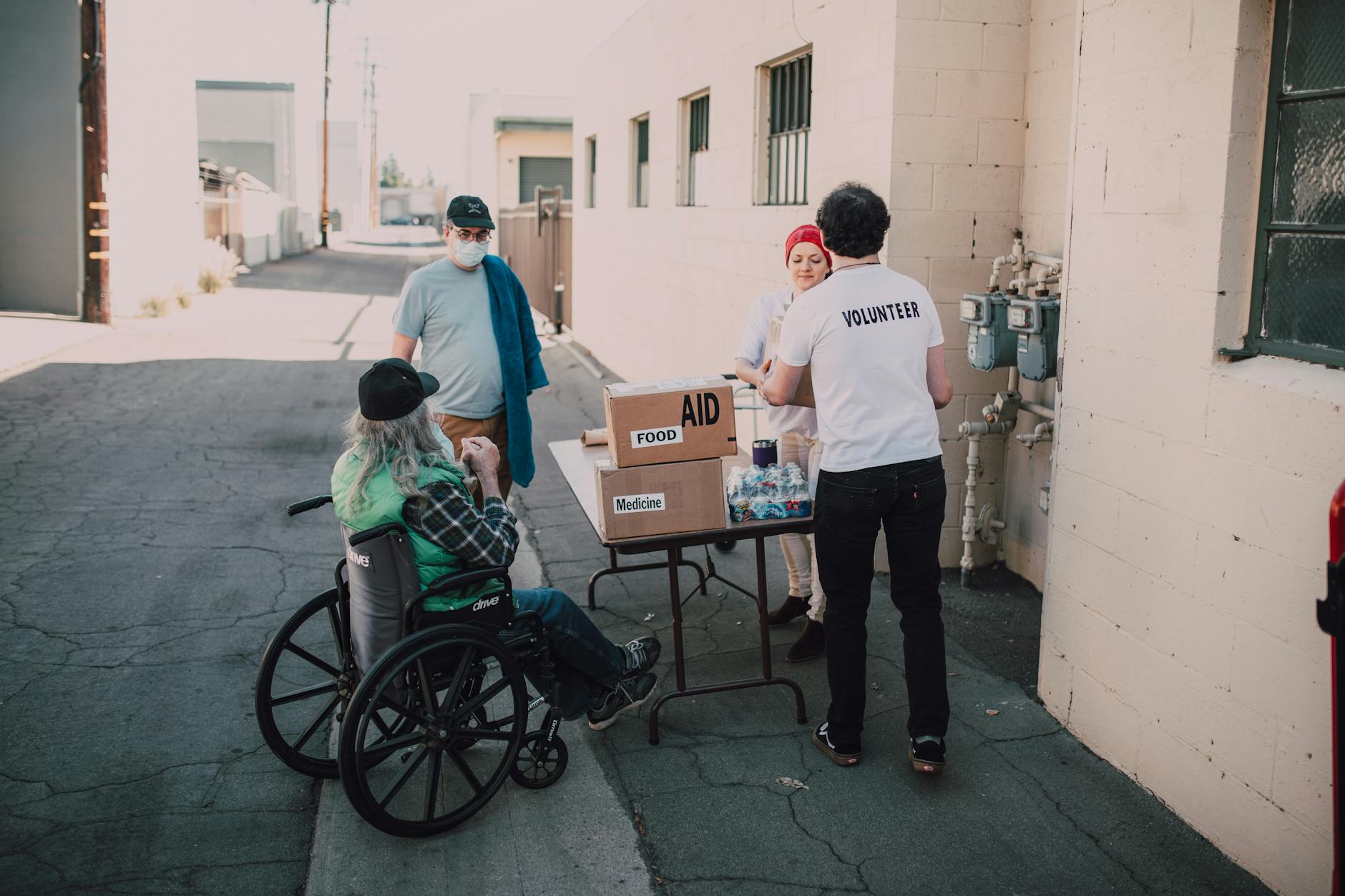
In a world often marked by individualism, the act of helping others serves as a crucial counterbalance that fosters community and personal development. Engaging in altruistic behavior not only benefits those in need but also profoundly impacts the helper. This article delves into the multifaceted significance of supporting others and how it promotes both individual and collective growth.
When we extend our hands to assist others, we create a ripple effect that can enhance social connections, reduce feelings of isolation, and foster a sense of belonging. This interconnectedness is particularly vital in today’s fast-paced society, where many people experience loneliness despite being surrounded by others. The simple act of offering help can bridge gaps between individuals, creating relationships grounded in mutual respect and understanding.
Psychological Benefits of Helping Others
Numerous psychological studies highlight that helping others leads to increased happiness and satisfaction. Research published in the Journal of Happiness Studies indicates that acts of kindness trigger the release of endorphins, known as the “helper’s high.” This physiological response elevates mood and can even reduce stress levels. Moreover, volunteering or aiding those in need can create a sense of purpose, a critical factor in mental well-being.
Fostering Empathy and Compassion
Helping others nurtures empathy and compassion, traits essential for personal growth. When individuals engage in acts of service, they are often exposed to perspectives outside their own, which fosters a greater understanding of diverse experiences. For instance, volunteering at a local shelter not only aids those facing hardships but also allows volunteers to appreciate their own privileges and challenges. This understanding cultivates a compassionate mindset that can transform personal relationships and community dynamics.
The Role of Helping in Community Building
Communities thrive when their members actively support one another. Social capital, defined as the networks of relationships among people, is vital for any community’s prosperity. When individuals help each other, they strengthen these networks. For example, community gardens not only provide food but also bring people together, fostering collaboration and shared responsibility. This unity can lead to collective problem-solving and enhanced resilience, especially in challenging times.
Transformational Power of Helping
The act of helping others has the potential to transform lives, both for the helper and the recipient. Many successful entrepreneurs and philanthropists attribute their accomplishments to the mentors and supporters they encountered along their journey. For instance, the story of David Green, founder of Hobby Lobby, emphasizes how his commitment to helping others shaped his business philosophy and ultimately contributed to his success. By prioritizing the well-being of employees and giving back to the community, he built a thriving enterprise rooted in generosity.
Final Thoughts on Helping Others
In conclusion, the importance of helping others transcends mere altruism; it is interwoven with personal growth and societal progress. Engaging in acts of kindness fosters psychological well-being, nurtures empathy, strengthens communities, and can even lead to transformative life changes. As individuals recognize the profound impact they can have, they not only uplift others but also pave the way for their own growth and fulfillment.