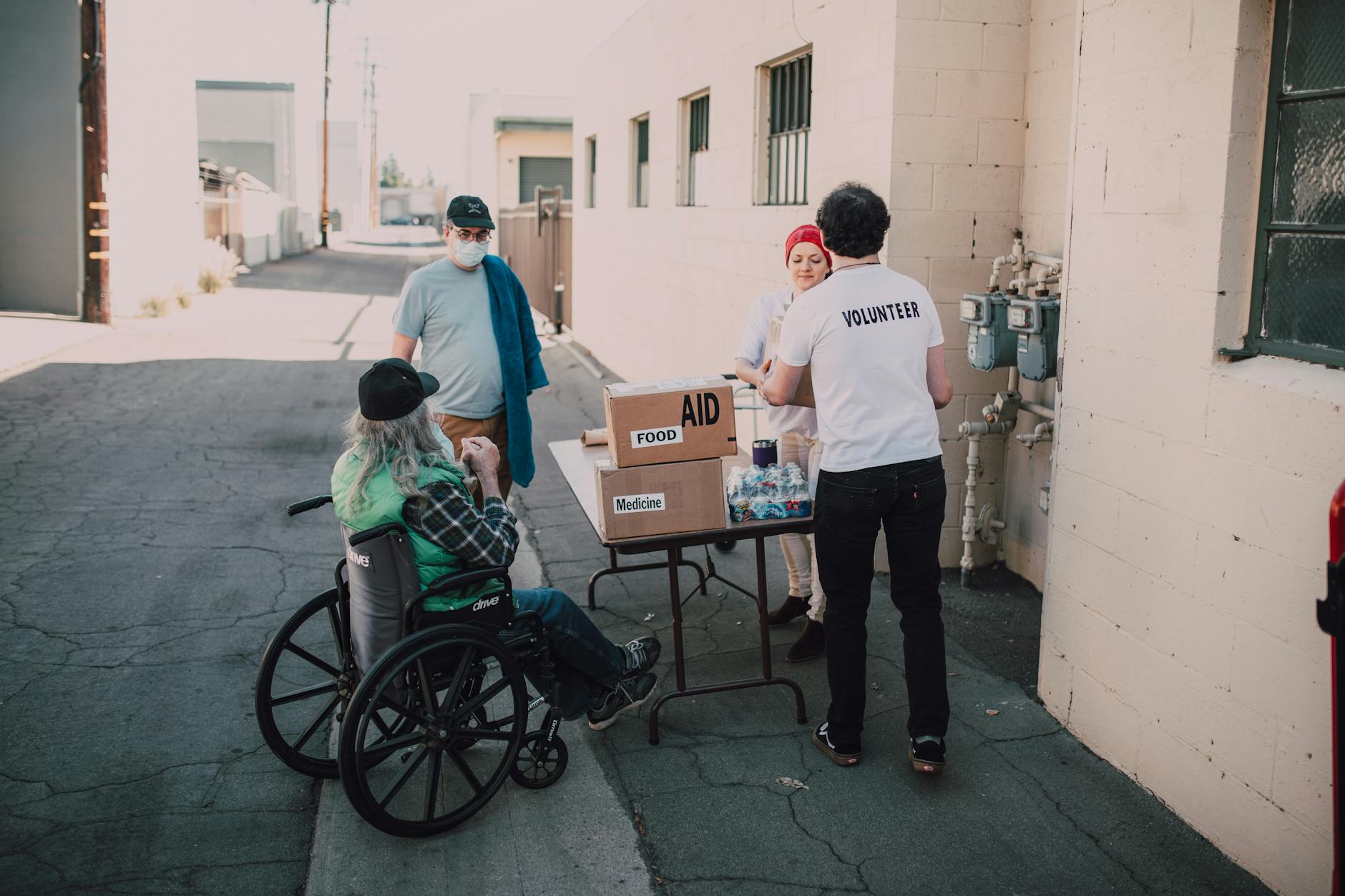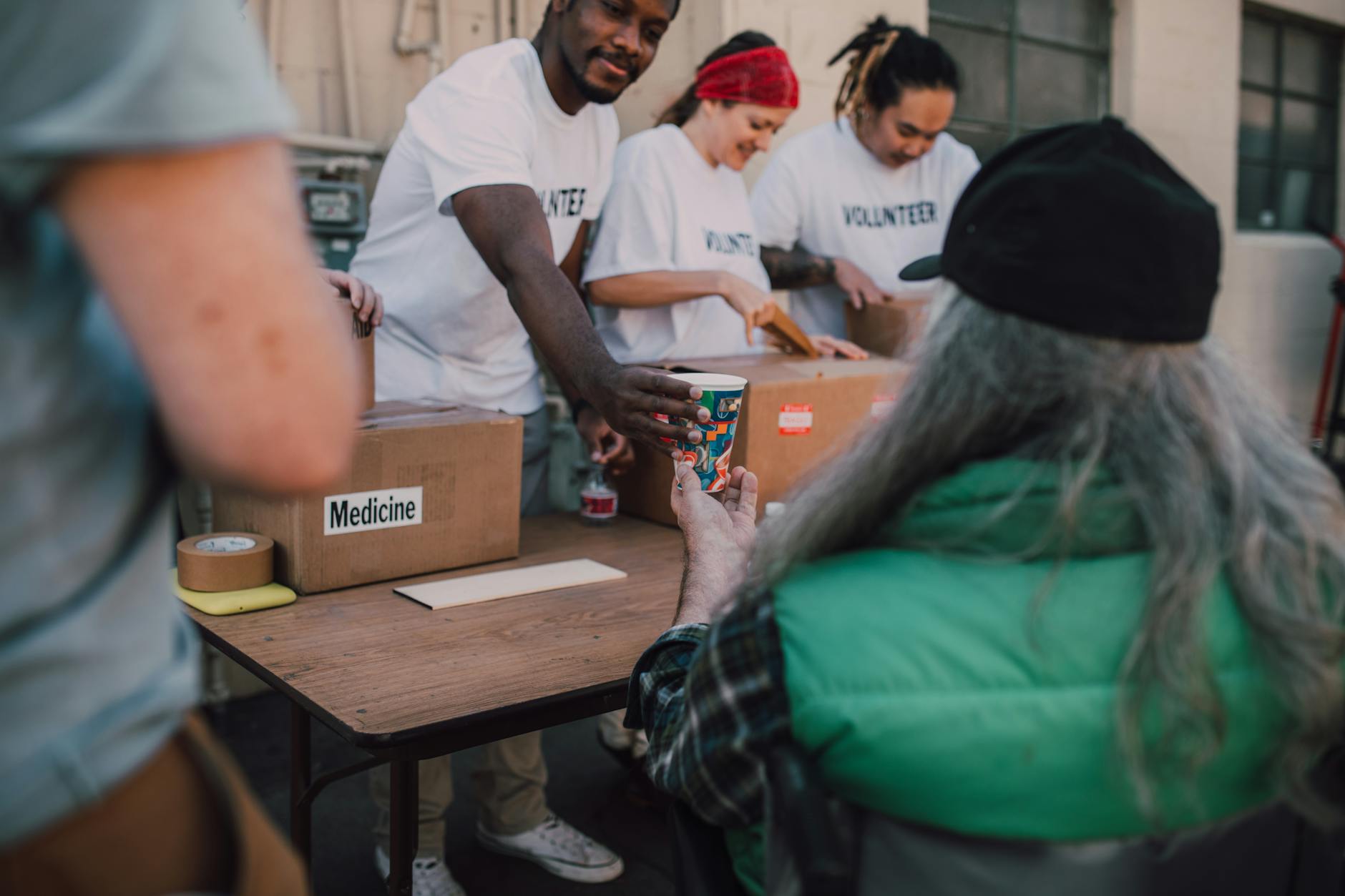
In a world often characterized by individualism and competition, the act of helping others stands as a testament to our shared humanity. Engaging in altruistic behaviors not only benefits the recipients but also profoundly impacts those who provide assistance. Understanding the importance of helping others can lead to a more cohesive society, foster personal growth, and enhance mental well-being.
Many are unaware of the psychological and social benefits that arise from acts of kindness. Research in psychology highlights that altruism is a fundamental human trait, deeply embedded within our social fabric. When individuals engage in helping behaviors, they often experience a phenomenon known as the “helper’s high,” a sense of euphoria resulting from the release of endorphins.
The Psychological Benefits of Altruism
Helping others can significantly improve emotional health. Studies suggest that those who volunteer or participate in community service report lower levels of depression and anxiety. For instance, a study conducted by the University of Exeter found that volunteering can lead to increased life satisfaction and happiness. This indicates that selfless acts can trigger positive emotional responses, creating a virtuous cycle of well-being.
Strengthening Community Bonds
On a societal level, acts of kindness strengthen community ties. When individuals engage in helping behaviors, they contribute to social cohesion. Communities with high levels of mutual aid often display lower crime rates and higher levels of trust among residents. An example can be seen in neighborhoods that organize food drives or mentorship programs, where collective efforts create lasting relationships and support networks.
Enhancing Personal Growth
Helping others also promotes personal development. When we assist someone in overcoming their challenges, we often gain new perspectives and skills. For instance, mentoring a young person not only benefits them but also helps the mentor refine their communication and leadership abilities. This exchange enriches both parties and fosters a culture of continuous learning.
Counteracting Common Misconceptions
It is common to believe that helping others requires significant time or financial resources. However, even small acts of kindness, such as listening to a friend in need or volunteering for a couple of hours, can have a profound impact. Moreover, one does not have to be wealthy or highly skilled to make a difference. Simple gestures often carry more weight than grand acts.
Creating a Ripple Effect
The act of helping others can create a ripple effect within communities. When one person performs a kind act, it often inspires others to do the same, creating a chain reaction. This phenomenon has been observed in various settings, from schools to workplaces, where a culture of kindness and support emerges. The more kindness is demonstrated, the more it is reinforced among peers.
Conclusion: The Ripple Effect of Kindness
Understanding the importance of helping others is crucial for fostering a supportive and thriving society. The benefits extend beyond the immediate act of assistance, influencing emotional health, community relationships, and personal development. By recognizing the value of altruism, individuals can contribute to a more compassionate world, where acts of kindness become the norm rather than the exception.