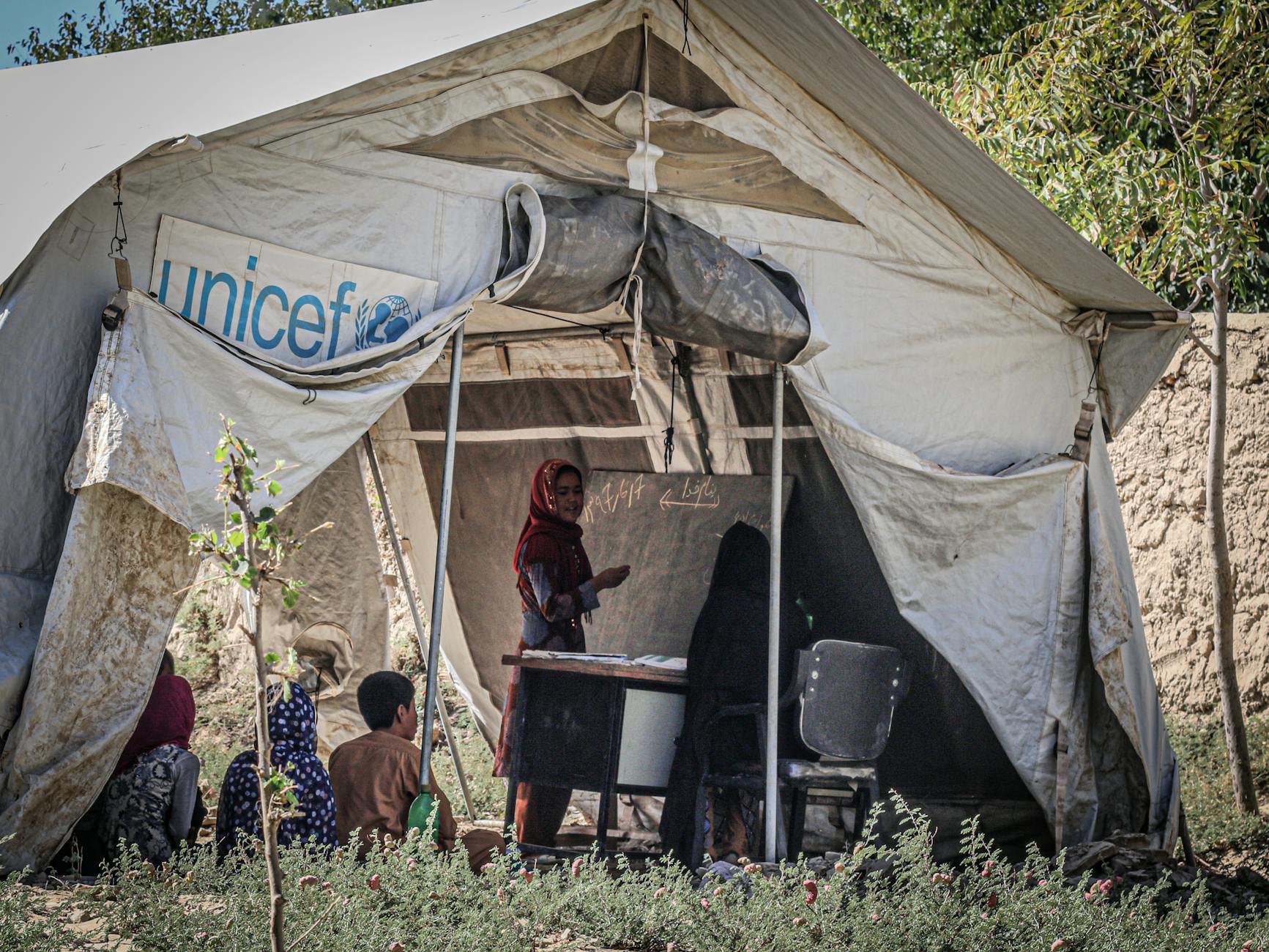
In an increasingly interconnected world, moral values serve as the foundation for community cohesion and social harmony. As societies evolve, the interpretation and prioritization of these values can shift dramatically, reflecting changes in cultural norms, technological advancements, and global challenges. Understanding the moral landscape of modern communities is crucial, as it helps illuminate how individuals interact and make decisions that impact collective well-being.
From empathy to integrity, the moral values embraced by communities today significantly influence behavior and societal outcomes. Not only do these values guide personal conduct, but they also shape institutions, policies, and community dynamics.
The Role of Empathy in Community Building
Empathy stands out as a core moral value in contemporary society. It encourages understanding and compassion among individuals, fostering stronger social bonds. A practical example can be found in community outreach programs that aim to support marginalized groups. By prioritizing empathy, these initiatives address the needs of the vulnerable, thereby reinforcing trust and cooperation within the community.
Integrity as a Cornerstone of Trust
Integrity is another critical value that underpins the interactions within modern communities. It involves honesty and adherence to ethical principles, which are essential for establishing trust among community members. For instance, businesses that operate transparently and uphold ethical practices are more likely to gain the loyalty of their customers. This creates a ripple effect, encouraging other entities to adopt similar standards, thereby elevating the overall moral fabric of the community.
Respecting Diversity and Inclusion
In today’s globalized world, respect for diversity has become increasingly relevant. Communities that embrace a variety of cultures, beliefs, and perspectives tend to foster innovation and resilience. For example, multicultural festivals not only celebrate differences but also enhance understanding and appreciation among community members. These events serve to create spaces where diverse voices can be heard and valued, promoting a sense of belonging for all.
Addressing Misconceptions About Modern Morality
One common misconception is that moral values are declining in modern societies. However, what often appears as a decline may simply be a transformation. Many individuals and organizations are actively engaged in redefining and advocating for moral values that reflect contemporary realities, such as environmental sustainability and social justice. The rise of movements advocating for climate action exemplifies how modern moral values can be adaptive and responsive to pressing global issues.
The Importance of Dialogue and Education
Facilitating open dialogue around moral values is crucial for growth and understanding. Educational programs aimed at teaching ethical reasoning and moral philosophy can help cultivate awareness and critical thinking among community members. By fostering discussions about values in schools and local forums, communities can nurture a culture of respect and responsibility, preparing individuals to navigate moral dilemmas in their personal and professional lives.
In summary, moral values in modern communities are not static; they evolve and adapt to reflect the needs and challenges of society. By emphasizing empathy, integrity, diversity, and open dialogue, communities can cultivate a robust moral framework that not only enhances interpersonal relationships but also contributes to a more equitable and harmonious society.