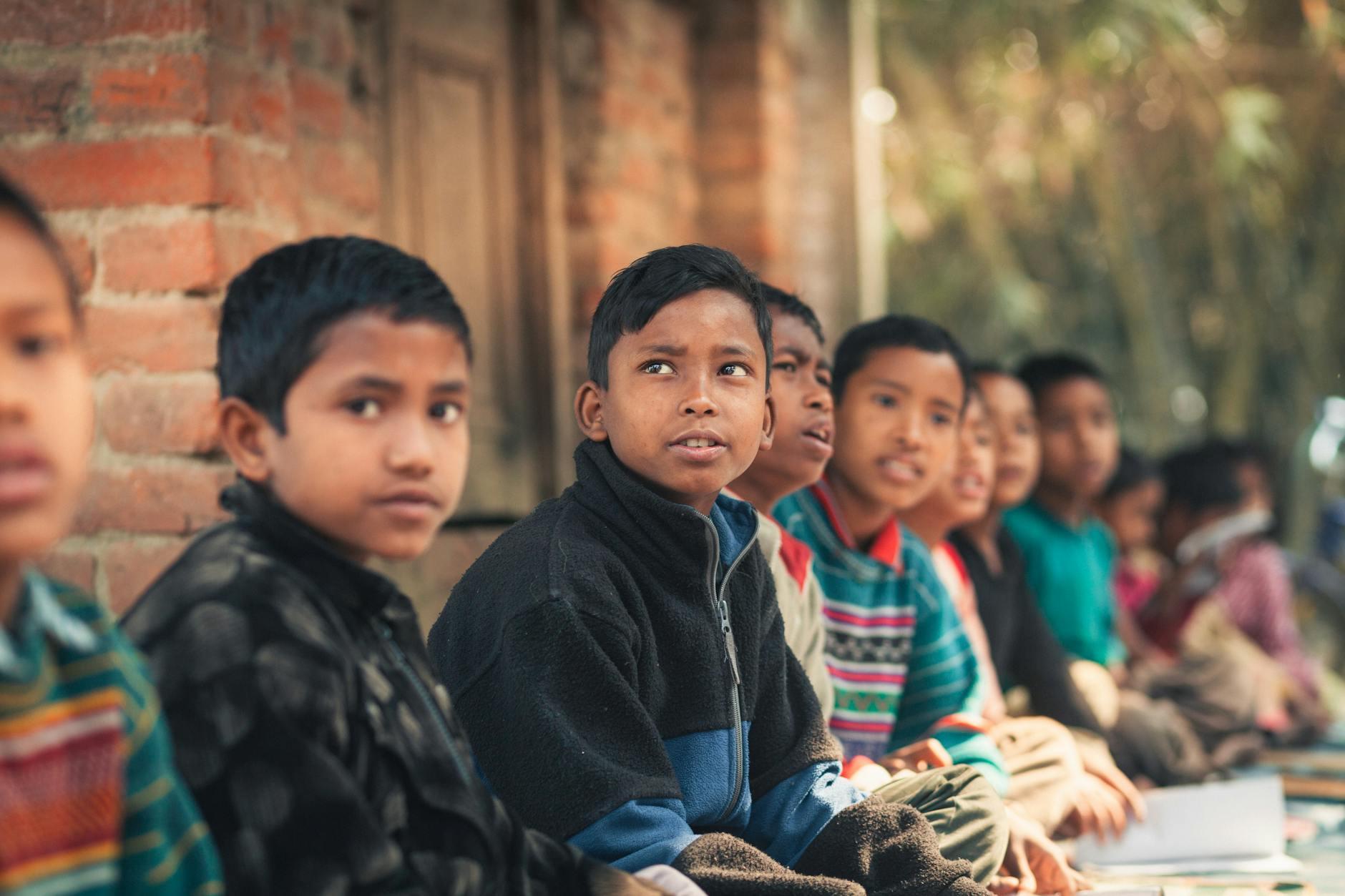
The significance of education extends far beyond the mere acquisition of knowledge. It plays a pivotal role in shaping societies, influencing economic growth, and fostering inclusive communities. Education is not just about individual advancement; it is a cornerstone of social development, acting as a catalyst for social change and cohesion.
In an increasingly interconnected world, understanding the multifaceted role of education is paramount. From promoting equality to enhancing civic engagement, education weaves a complex tapestry that binds societies together.
Promoting Equality and Reducing Poverty
Education is one of the most effective tools for combating poverty and inequality. According to UNESCO, every additional year of schooling can increase an individual’s income by up to 10% annually. This phenomenon is particularly evident in developing countries, where education empowers marginalized communities, enabling them to break the cycle of poverty.
For instance, initiatives like conditional cash transfers in countries such as Brazil and Mexico have significantly boosted school attendance among low-income families. By providing financial incentives for education, these programs illustrate how targeted educational policies can uplift entire communities.
Enhancing Civic Engagement
Education fosters informed citizenry, which is essential for a functioning democracy. Individuals with higher education levels are more likely to engage in civic activities such as voting, volunteering, and participating in community events. A Pew Research study found that college graduates are 20% more likely to vote compared to those with only a high school diploma.
Moreover, educated individuals tend to have a greater understanding of their rights and responsibilities, which empowers them to advocate for social justice and community issues. This heightened civic engagement not only strengthens democratic processes but also promotes social cohesion.
Driving Economic Growth and Innovation
Education directly correlates with economic development. A well-educated workforce is critical for innovation, productivity, and competitiveness on a global scale. Countries with higher literacy rates and educational attainment typically experience faster economic growth. According to the World Bank, investments in education yield significant returns, with estimates suggesting that every additional year of schooling can lead to a 0.37% increase in a country’s GDP.
Examples abound in nations like South Korea and Finland, where robust education systems have played a crucial role in their economic transformations. By prioritizing education, these countries have not only improved their domestic economies but have also positioned themselves as leaders in global markets.
Fostering Social Cohesion and Cultural Understanding
Education also serves as a foundation for social cohesion and cultural understanding. Diverse educational environments promote tolerance and respect among different cultural, ethnic, and religious groups. Schools that emphasize inclusivity and multicultural curriculums help students appreciate diversity, which is essential in today’s globalized society.
Programs that encourage interfaith dialogue and cultural exchange in educational settings can bridge divides and foster peaceful coexistence. For example, initiatives in countries like Canada demonstrate how education can facilitate dialogue among students from various backgrounds, ultimately reducing prejudice and enhancing community solidarity.
Conclusion
Understanding the profound impact of education on social development illustrates its invaluable role as a societal cornerstone. By promoting equality, enhancing civic engagement, driving economic growth, and fostering social cohesion, education not only transforms individual lives but also strengthens the fabric of society as a whole. As we continue to navigate the challenges of the modern world, investing in education will remain essential for sustainable social development.